
Over the past few weeks, as Covid-19 draws closer and closer, I have thought many times about the story of the drastic decline in numbers of the Caribbean First Peoples after the Europeans came. We may be tempted to think that their numbers declined drastically due to European guns or being overworked in the Spanish mines. And no doubt that was a part of it. But my research indicates that the greatest impact of the Europeans coming to the Caribbean came through the introduction of disease, including the influenza that most of us get every year and overcome after a week at most.
The original inhabitants of these islands had no immunity to the microbes brought to the Caribbean and the wider Americas. To them, they were new. It is said that the devastation on the First Peoples exceeded that of the Black Death in fourteenth century Europe. The words “demographic catastrophe” have been used.
When Columbus landed in Hispaniola in 1493, it only took days before the original inhabitants began to die. “Twenty-three years after 1493, in 1516, the Spanish historian Bartolomé de las Casas wrote of the same island that is now Haiti and the Dominican Republic: “Hispaniola is depopulated, robbed and destroyed … because in just four months, one-third of the Indians [the Spaniards] had in their care have died.” Two years later in Memorial on Remedies for the Indies, he wrote that “of the 1,000,000 souls there were in Hispaniola, the Christians have left but 8,000 or 9,000, the rest have died.” ” (Check out this and more at: https://www.theatlantic.com/…/human-planet…/568423/)
There was no WHO to declare a public health emergency or a pandemic. Indeed, at the time both Europeans and First Peoples did not have today’s understanding of how diseases are spread. The Europeans had nobody to tell them to self-quarantine upon arrival. Neither group of persons knew that there should be social distancing. The microbes were free to “play themself” and they did so with gusto. Furthermore, the exact impact of disease on the numbers of the original inhabitants can never be measured. Disease may have reached groups via their contact with other peoples before the Europeans even reached them.
It seems though that by the time 1918 and the Spanish Flu arrived people knew about strict hand washing, and social distancing, and preventing large gatherings. Apparently people also did not look kindly upon those who refused to engage in these measures. And millions of people died around the world. In spite of the measures that were taken. And maybe partly because some did not see the need to “follow the rules.” (Check out this and more at: https://time.com/…/spanish-flu-pandemic-coronavirus…/…) In those days the world was much less interconnected in terms of travel etc. Moving around the word was much harder, and fewer people did it—certainly nothing like today.
Forget about the fact that we should look at those countries who in 2020 have mitigated the spread of the novel coronavirus by taking extreme measures. People always say that the primary use of history is that we can learn from it to prevent from making the mistakes of the past. While I don’t subscribe to such a limited view of use or importance of history myself, do we really want to find out that we should have listened to the voices of the past to prevent the extent of the unfolding catastrophe around us? Please, let us do what we have to do in T&T until 15 April or whenever the authorities tell us it must continue…or can end.
This post appeared originally [untitled] on Facebook on 29 March 2020.
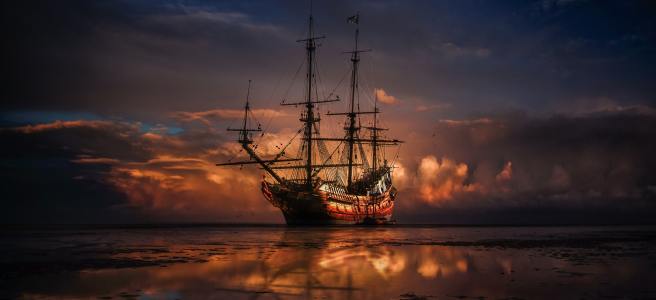
Photo entitled “Sparrow” by Zoltan Tasi on Unsplash.

 Marcia Headley